Cornea
September 2026 collection Medical review pendingPterygium and Sun Exposure: Practical Eye Protection
A pterygium is an eye-surface tissue growth associated with long-term UV exposure. Learn practical outdoor protection and when a changing growth needs assessment.
Published
What a pterygium is
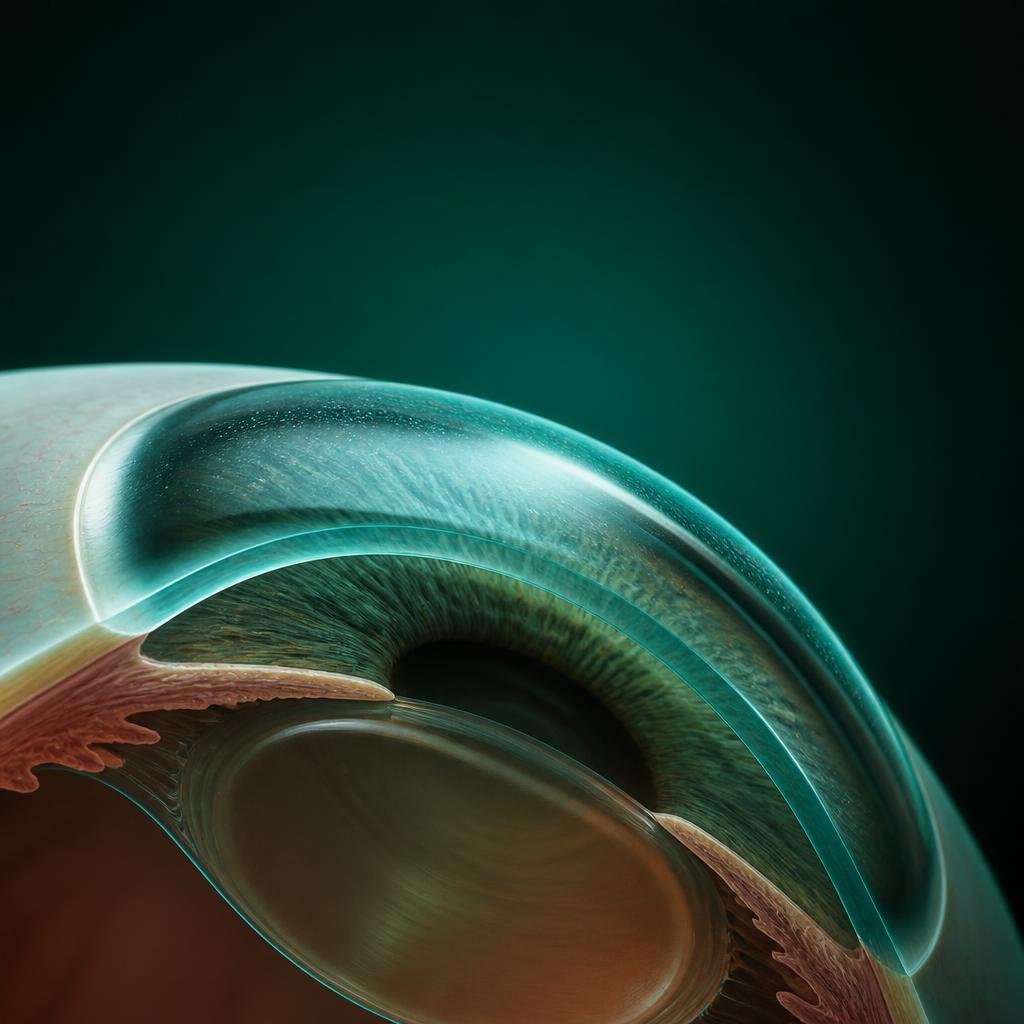
A pterygium is a growth of tissue on the conjunctiva that can extend onto the cornea, the clear front surface of the eye. It may remain small or grow; an eye-care professional can examine its size and position.
Long-term exposure to sunlight and ultraviolet (UV) light is associated with pterygium. Redness or irritation alone cannot confirm that a pterygium is present, so avoid diagnosing an eye growth from a photo or online description.
Make outdoor eye protection a routine
When outdoors, choose sunglasses labelled to block 100% of both UV-A and UV-B radiation and consider a wide-brimmed hat. Wraparound frames can help reduce light entering from the sides. Use the product label rather than lens darkness to judge UV protection.
Eye protection is useful in different seasons and outdoor settings, not just on very bright days. If dust or wind irritates your eyes, protective glasses may also add a physical barrier, but they do not treat an existing growth.
Know when to arrange an examination
Arrange an eye assessment if you notice a growth on the white of the eye, persistent redness or irritation, or a change in vision. An examination can distinguish a pterygium from other eye-surface changes and explain whether monitoring or another option is suitable.
Sunglasses can reduce UV exposure but cannot guarantee that a pterygium will not develop or grow. Do not apply home remedies or use prescription eye drops without advice from a qualified clinician.
Trusted sources and further reading
These references support the general information in this article. They do not replace individual clinical advice.
Quick answers
Long-term UV exposure is associated with pterygium, but exposure alone cannot diagnose an individual eye growth.
Choose a clear label stating 100% UV-A and UV-B protection, and consider a wide-brimmed hat when outdoors.
No. They reduce UV exposure but cannot guarantee prevention. Ask an eye-care professional about a growth or changing symptoms.