Cataract
Medical review pendingCataract Surgery Measurements: What Pre-Operative Tests Help Decide
A patient-friendly guide to eye measurements used before cataract surgery, why test quality matters and what to ask about your results.
Published
Why measurements are taken
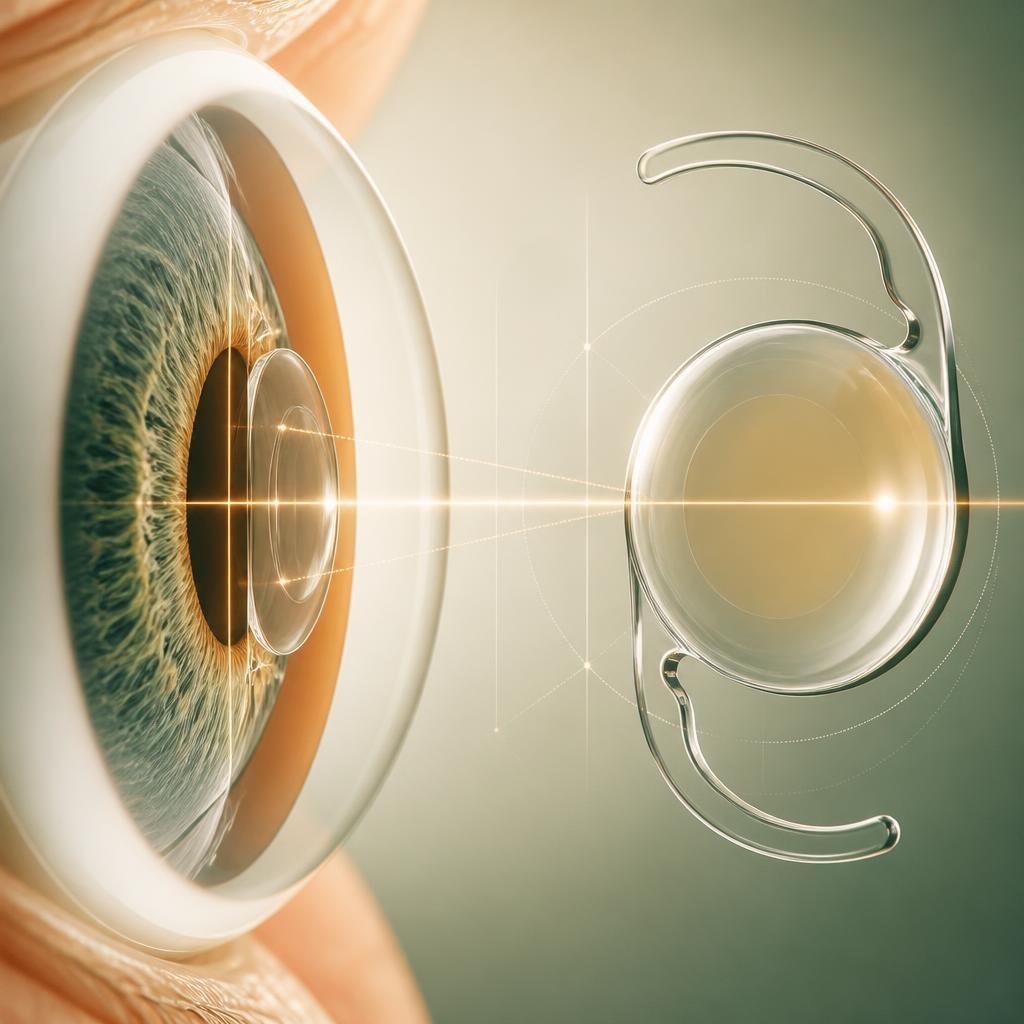
Before cataract surgery, the clinical team measures parts of the eye to help plan the intraocular lens power and understand factors that may affect the result. Depending on the case, this can include eye length, corneal curvature, refraction, eye pressure and examination of the retina and other structures.
No single number explains the whole eye. Measurements are interpreted together with the examination, the patient’s visual goals and any earlier procedures or conditions.
Why a scan may be repeated
Tear-film instability, contact-lens wear, corneal irregularity or inconsistent readings can influence some measurements. If results disagree or the surface needs treatment, the clinician may recommend repeating a test rather than proceeding with uncertain planning.
Different devices and measurement methods do not always produce directly interchangeable values. Bring earlier reports to the visit so the doctor can decide whether they can be compared or should be updated.
What to ask at your appointment
Ask what each test is intended to check, whether any result needs repeating, how your corneal shape or other eye disease affects lens calculations, and what uncertainty remains in the plan. You can also ask how the chosen lens relates to your preferred activities and likely need for glasses.
Do not interpret a printout or online calculator as a personal surgical recommendation. The treating ophthalmologist is responsible for explaining how the measurements apply to your eye.
Quick answers
Most routine eye measurements are non-invasive. The clinic can explain the specific tests planned for your appointment.
Contact lenses can affect some corneal measurements. Ask the clinic how long to stop your specific lens type before testing.
No. Lens planning depends on accurate measurements and a clinician’s evaluation of the whole eye.