Refractive
Medical review pendingLASIK, SMILE and PRK: How Laser Vision Procedures Differ
Compare the broad approach used in LASIK, SMILE and PRK, and understand why corneal measurements and individual suitability determine the choice.
Published
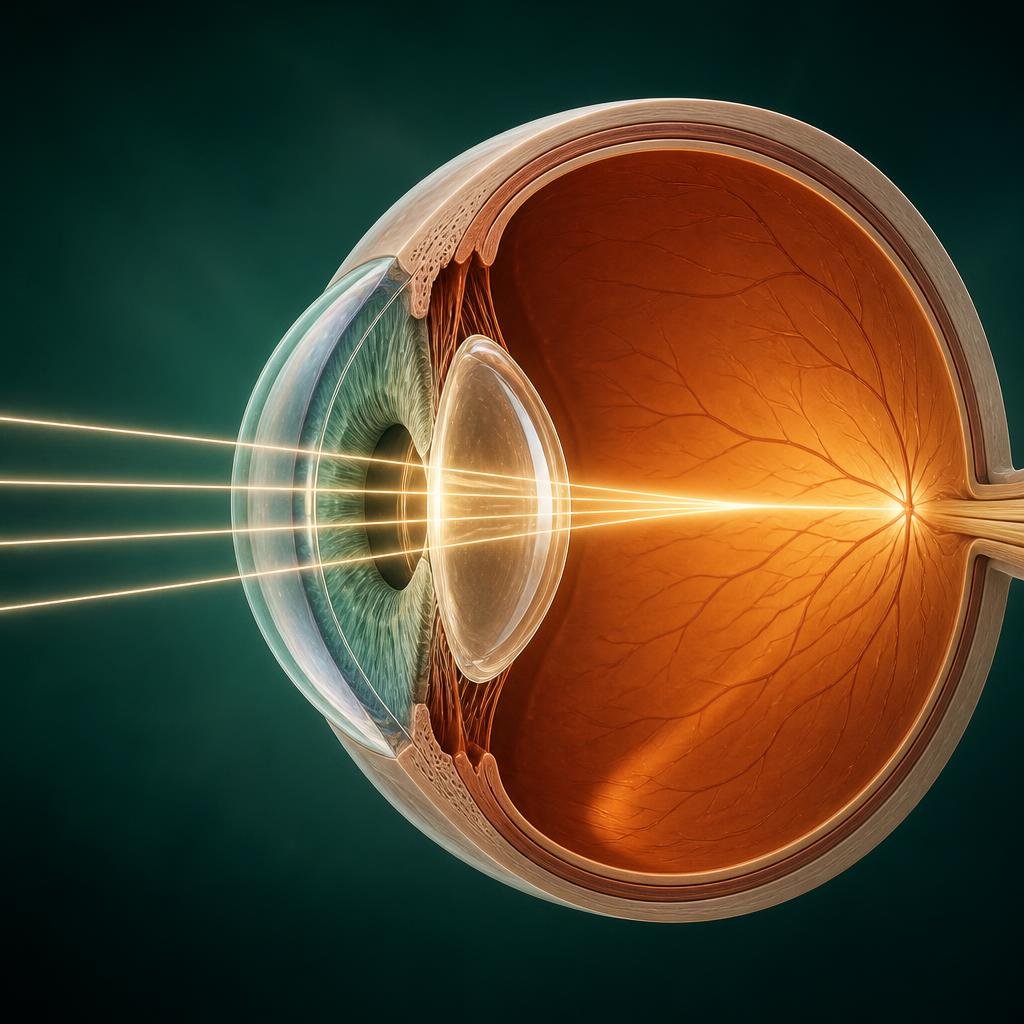
Different techniques reshape the cornea differently
LASIK uses a corneal flap followed by laser reshaping of tissue underneath. SMILE removes a small piece of tissue through a small incision. PRK and related surface procedures reshape the cornea after removing the surface layer, which then heals over time.
These are general descriptions, not a recommendation. Techniques, equipment and eligibility criteria can vary, and a surgeon should explain the specific procedure being offered.
Suitability depends on the eye
The evaluation considers prescription stability, corneal shape and thickness, the tear film, pupil and internal eye health, age and medical history. Some findings may make a corneal laser procedure unsuitable or lead the clinician to discuss another option or no surgery.
A numerical prescription alone cannot determine candidacy. The purpose of screening is to check safety and explain limits before any commitment.
Compare recovery and trade-offs with your surgeon
Recovery experience differs between procedures and between individuals. Ask about expected discomfort, time away from work, drop instructions, temporary blur, follow-up and the possibility that glasses may still be needed. Ask what symptoms should prompt urgent contact.
A careful consultation explains why one method is being considered, what alternatives exist and whether postponing or avoiding surgery is a reasonable choice.
Quick answers
No. The safest option depends on the examination, measurements, health history and the patient’s needs.
No. Suitability needs a comprehensive clinical examination and appropriate measurements.
That cannot be guaranteed. Age-related vision changes and individual healing can affect future glasses needs.