Cornea
Medical review pendingKeratoconus, Eye Rubbing and Allergy: Protecting the Corneal Surface
Why frequent vigorous eye rubbing deserves attention, how allergy can contribute to the habit and what to discuss with an eye-care professional.
Published
Why clinicians ask about eye rubbing
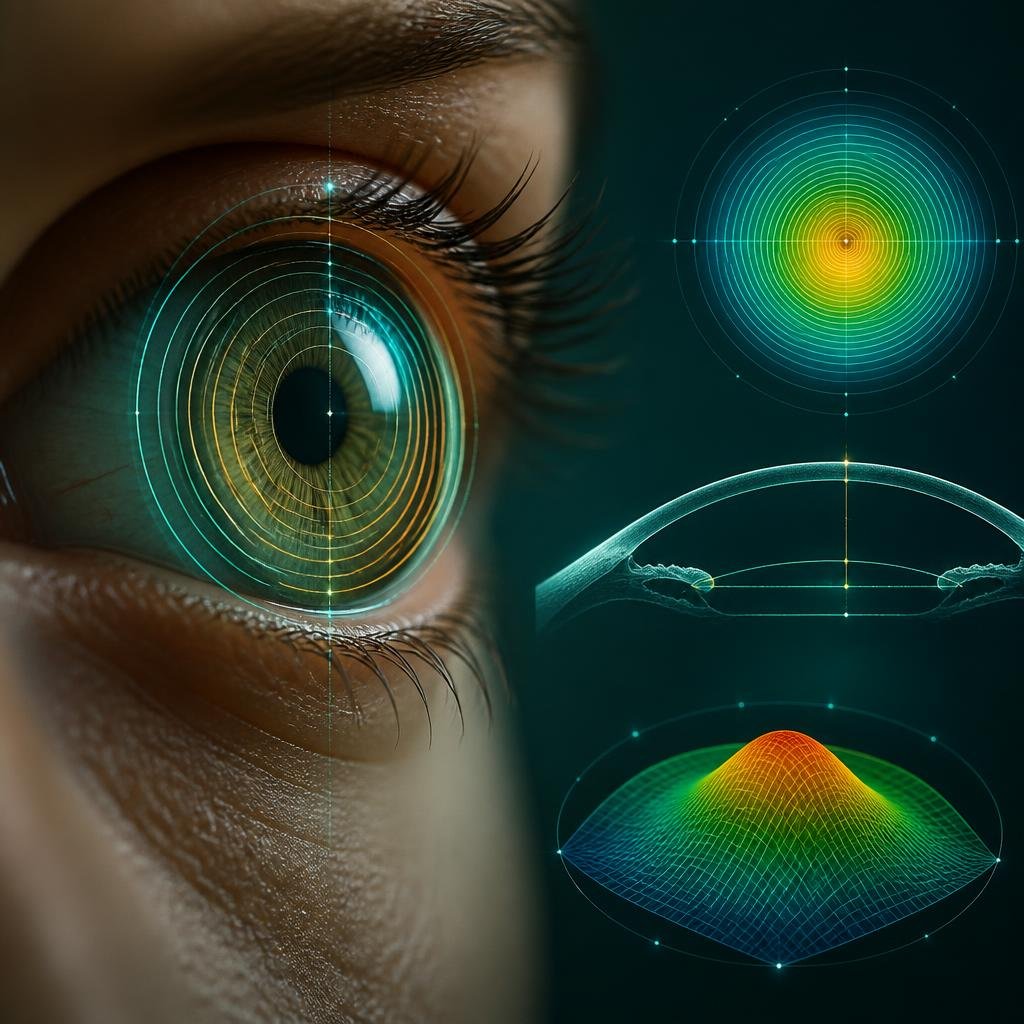
Keratoconus changes the shape and thickness of the cornea, which can distort vision. Frequent vigorous eye rubbing is associated with keratoconus and may be one factor in progression, although rubbing alone does not diagnose the condition or explain every case.
If your prescription changes repeatedly, vision remains distorted with glasses, or there is a family history of keratoconus, ask an ophthalmologist whether corneal imaging is appropriate. A clinical examination is needed to interpret scans and decide whether monitoring is required.
Treat the reason for rubbing
Itchy eyes from allergy, dry eye or irritation can make rubbing feel relieving for a moment. Try not to press or rub the eyes; a cool clean compress may feel soothing, but it does not replace treatment for the cause.
Tell the clinician about seasonal symptoms, contact-lens use and any drops already used. Allergy treatment should be selected for the individual; avoid using steroid or prescription drops without medical direction.
When to seek an assessment
Arrange an eye examination for persistent itching, repeated prescription changes or ongoing blurred vision. Seek prompt care for significant pain, sudden vision change, a visible white spot or a red painful eye while wearing contact lenses.
A clinician can distinguish allergy and surface irritation from corneal shape changes, then discuss monitoring and care based on the findings.
Quick answers
No. Eye rubbing is not a diagnosis. An eye examination and appropriate corneal imaging are needed when indicated.
Treating itch may help reduce rubbing, but it cannot guarantee prevention or stop progression. Ask an ophthalmologist about your individual risk.
Avoid vigorous rubbing and seek advice about the cause of persistent itch, especially if vision or your glasses prescription is changing.