Diabetes and Vision
September 2026 collection Medical review pendingDiabetes and Eye Exams: Why Checks Matter Before Symptoms
Diabetes-related retinal changes may begin before vision feels different. Learn what a comprehensive eye check can look for and what to ask your eye doctor.
Published
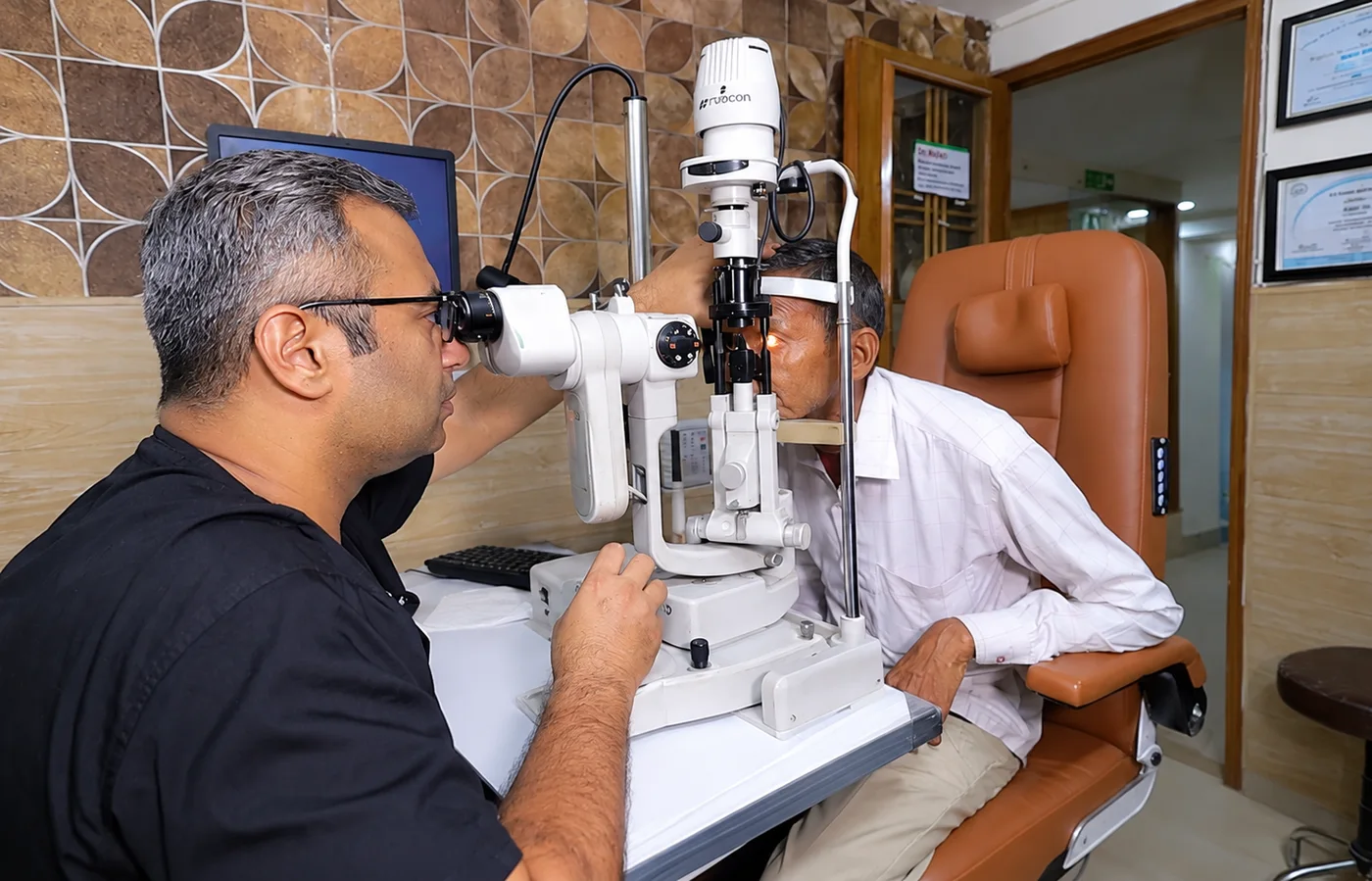
Clear vision does not show the whole retina
Diabetic retinopathy affects blood vessels in the retina, the light-sensitive tissue at the back of the eye. Early changes may not cause noticeable symptoms. Waiting for blur or floaters before arranging an eye check can therefore miss an opportunity to detect changes earlier.
A comprehensive examination can include a dilated view of the retina and other tests chosen by the clinician. A vision chart by itself does not show every change inside the eye.
Make eye checks part of diabetes care
The National Eye Institute advises people with diabetes to have regular comprehensive eye examinations; its patient guidance recommends at least once a year. Your own clinician may adjust the timing based on previous findings, treatment and individual circumstances, so follow the schedule given for you.
Keep your diabetes-care team informed about eye symptoms and recent examinations. Bring your diabetes medicines, relevant health information and prior eye reports if you have them.
Know when symptoms need faster advice
New floaters, flashes, a curtain-like shadow, sudden blur or a sudden loss of vision need urgent local eye-care assessment. Do not wait for the next routine diabetes review if vision changes suddenly.
Ask which parts of your eye were examined, when your next check should be and whom to contact if your vision changes. Good blood-sugar and general health care also matter, but they do not replace the eye examination.
Trusted sources and further reading
These references support the general information in this article. They do not replace individual clinical advice.
Quick answers
Yes. Some retinal changes may not affect vision at first, which is why regular examinations matter.
A chart measures visual clarity but cannot replace a comprehensive examination of the retina.
The schedule depends on your findings and health history. NEI patient guidance recommends regular comprehensive exams at least yearly; follow the interval your clinician sets for you.